Top 3 Alternatives of Loganix for High Quality Editorial Placements
Many marketers now hunt for new editorial placement options because their current platform's pricing or publisher quality has shifted. Others report slow communication or weak placement reports that block campaign planning. Both problems push teams to compare the three strongest alternatives right now.
By the end of this article you will have concrete criteria for judging editorial quality, a side-by-side view of WhitePress(r), Outreachz, and Editorial.Link, and a clear recommendation for the single platform that best meets most teams' needs.
What to Look For in High Quality Editorial Placements
Editorial placements succeed when they meet specific quality thresholds that directly influence search rankings and referral traffic.
Five measurable criteria guide this evaluation process. Each element affects how search engines perceive the value of your high-quality backlinks.
- Domain Authority threshold: Target sites with DA50+ to ensure placement on authority sites with established credibility.
- Content alignment: Verify topical relevance between your message and the placement site category.
- Anchor text distribution: Keep exact-match or branded anchor text ratios under 30 percent to maintain natural link profiles.
- Article depth requirement: Confirm unique 800+ word articles that provide substantive value to readers.
- Traffic volume minimum: Select sites with 5k+ monthly organic traffic for meaningful exposure.
These standards help separate effective placements from low-value opportunities. Meeting these benchmarks consistently supports stronger link building outcomes across different campaigns.
1. WhitePress(r) - Best Overall
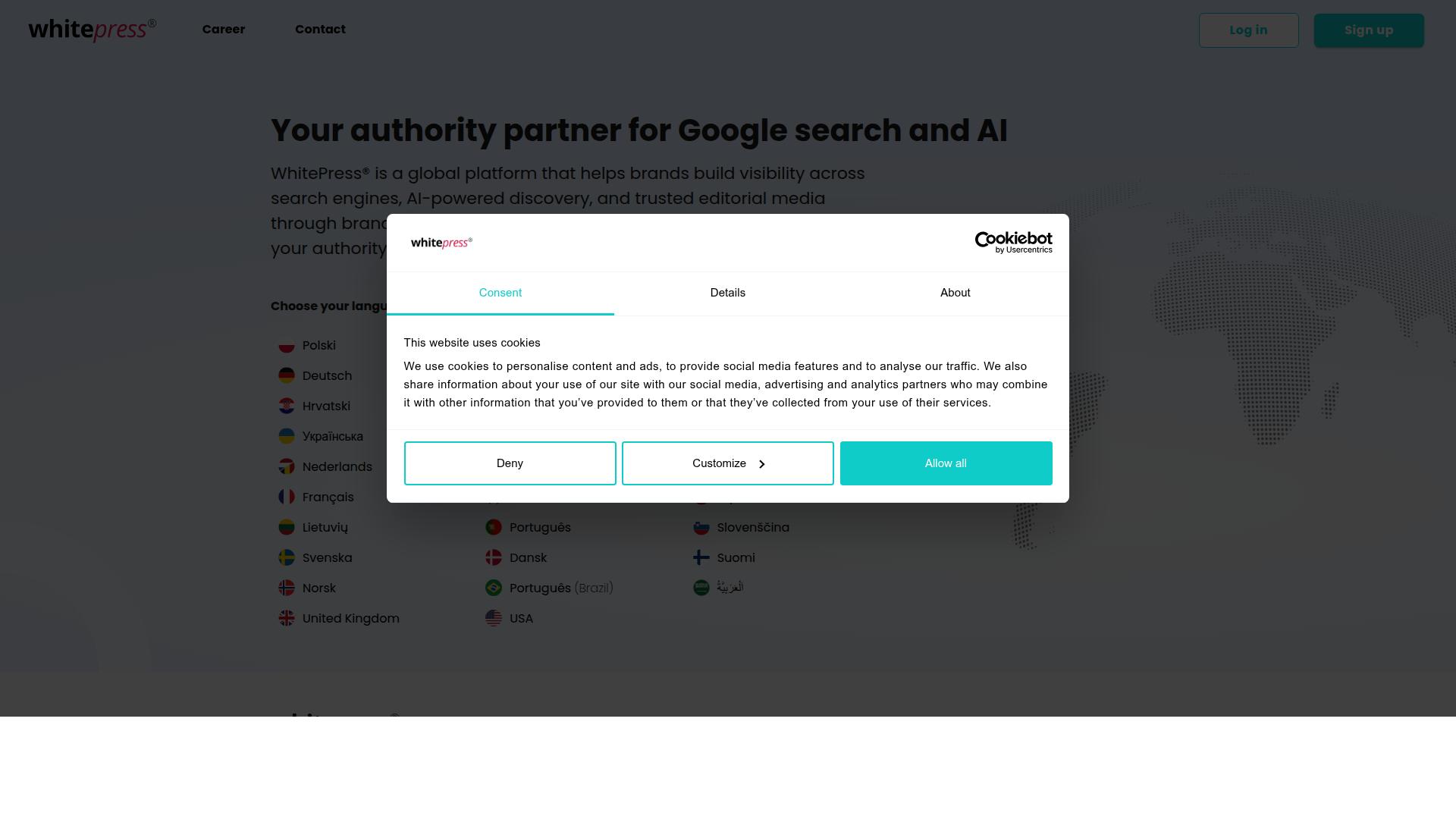
WhitePress(r) combines global publisher reach with integrated SEO and AI visibility tools to deliver scalable editorial placements. The platform supports brands and agencies that need consistent access to high quality backlinks across multiple markets. Its structure focuses on streamlined placement rather than fragmented outreach campaigns.
Businesses looking for alternatives to Loganix often compare features around publisher access and workflow integration. WhitePress(r) provides a central system where teams handle content placement without juggling multiple tools. This unified approach helps maintain quality control across different editorial placements.
Global Reach and Publisher Network
WhitePress(r) operates a worldwide network of vetted publishers across 50+ countries. The platform provides access to DA50+ through DA70+ publications in various languages and regions. This reach supports link building efforts that target authority sites with established reader bases.
Content teams working on tech, finance, or health topics find relevant placements across these verticals. Each category includes publishers with minimum monthly traffic thresholds that match enterprise requirements. The diversity of available domains helps distribute anchor text variations naturally across different contexts.
Agencies running outreach campaigns benefit from pre-vetted publisher relationships. The network structure reduces the time spent on manual domain research and media list building. Teams can focus on content quality rather than publisher acquisition.
AI Visibility and SEO Integration
The platform embeds AI visibility tracking and on-page SEO scoring directly into the placement workflow. Users can audit content for AI-generated mentions while reviewing keyword difficulty scores in real time. The system also auto-generates anchor text suggestions aligned with topical clusters.
One practical workflow example involves selecting a target keyword before placement. The platform analyzes current ranking difficulty and suggests related terms within the same topic. This reduces the chance of keyword cannibalization across multiple guest posting efforts.
Content marketers who need contextual links across multiple domains use the scoring system to prioritize placements. The integration between visibility tracking and placement decisions helps maintain consistency in digital PR strategies. Teams avoid scattered link building patterns that might dilute topical relevance.
2. Outreachz
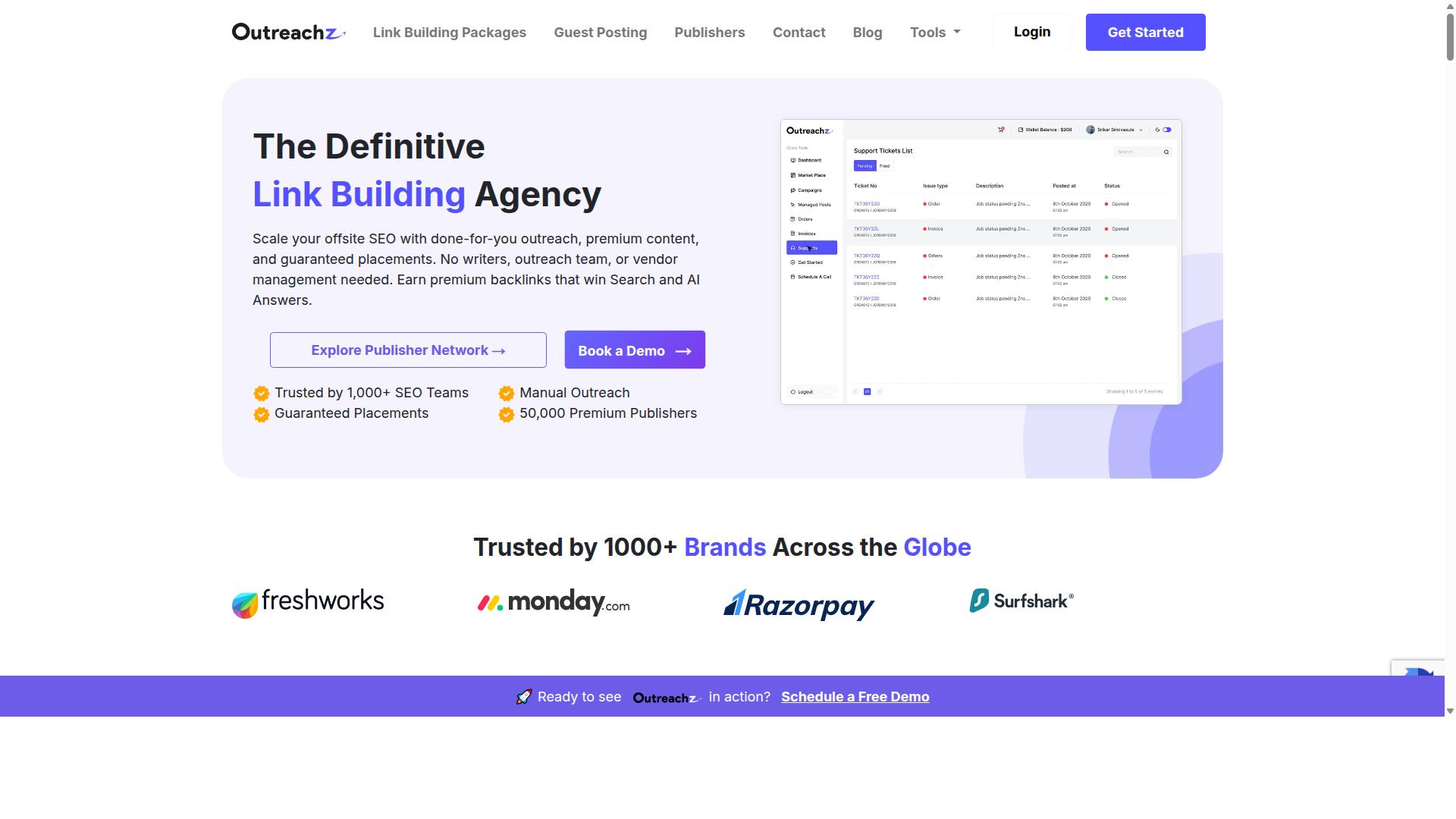
Outreachz focuses on managing large-scale link-building campaigns through a centralized publisher database. The platform serves agencies and SEO freelancers who need consistent access to publication opportunities across multiple niches. Users often compare such tools when evaluating alternatives to Loganix for editorial placements.
Campaign workflows usually rely on structured sequences that guide outreach teams through initial contact and follow-ups. Teams can adjust messaging based on early responses and monitor how different approaches perform. This level of organization helps maintain steady progress even when handling dozens of active campaigns at once.
Most users also value the ability to export performance data for internal reporting. Export functions support collaboration between outreach staff and client teams who need regular updates on campaign status.
Campaign Management Features
Users can create segmented outreach sequences and track response rates within the dashboard. Segmentation helps separate different publication types or audience segments, so teams send the right message to each contact group. Clear visibility into response patterns supports faster adjustments during active campaigns.
Standard email templates support A/B testing of subject lines and body copy. Teams test variations across small batches before scaling the winning version to larger lists. This controlled approach reduces guesswork when refining messaging for different publication verticals.
Automated follow-ups at day 3 and day 7 keep conversations moving without manual intervention. Timing these reminders helps maintain momentum while respecting publication schedules. Many teams find that consistent follow-up cadence improves reply rates across long outreach campaigns.
CSV export of live metrics allows teams to pull campaign data into external reporting tools. This feature proves useful when clients require specific formats or when data needs integration with other marketing platforms.
Publisher Database Quality
Database freshness and vertical coverage determine whether placements land on relevant, high-authority domains. Publishers that update their listings regularly tend to offer more current contact information and editorial opportunities. Coverage across multiple industries supports diverse link-building strategies.
Spam-score filters under 5% help teams focus on cleaner domains when building white-hat links. Lower spam scores often correlate with stronger editorial standards and better long-term link value. Teams typically review these scores during initial site selection.
Maintaining DA60+ thresholds ensures placements appear on established websites with existing authority. Higher domain authority sites often pass more link equity and help support stronger SERP rankings. Quarterly refreshes of listings keep the available inventory current and relevant to ongoing campaigns.
3. Editorial.Link
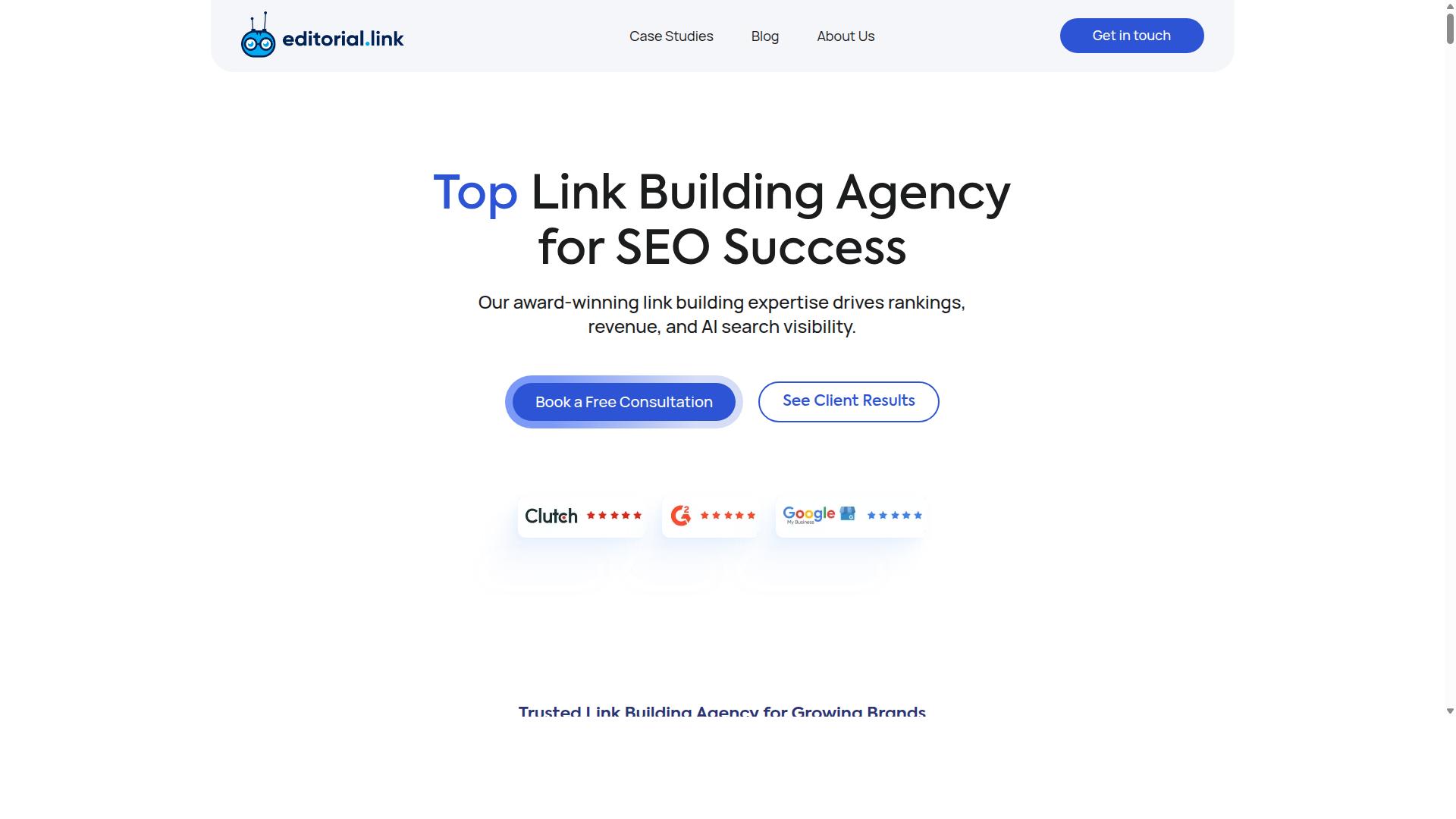
Editorial.Link positions itself around strict editorial guidelines and transparent placement processes. The platform focuses on editorial backlinks, broken-link building, and digital-PR campaigns. Clients in the SaaS and software sectors often use this service for media mentions and listicle placements.
The marketplace features sites that average DR 67. A trial link option and prospect approval system let users review potential placements before committing. These features support campaigns that aim for high-quality backlinks from authority sites.
Editorial.Link also provides a 6-month replacement guarantee for placements. This approach appeals to businesses seeking consistent results in their link building efforts. The service handles various types of editorial placements across different industries.
Editorial Standards and Vetting
Each site passes a manual review for content guidelines before being added to the marketplace. The platform uses a Link Type Classifier to exclude link farms from its network. This filtering process helps maintain quality across available placement options.
Editorial policy checklist review forms the first step in their vetting process. Sample article audit follows for readability scores above 60 on Flesch scale. These steps ensure that sites meet baseline content quality requirements before they become available for placements.
The two-step verification creates a structured approach to site selection. Manual oversight combined with readability metrics provides multiple quality checkpoints. This process supports campaigns focused on content marketing and contextual links.
Placement Turnaround Times
Average turnaround varies by vertical and price tier. Tech placements average 5 to 7 business days while finance verticals range 10 to 14 days. These timeframes reflect the complexity of securing placements in different industries.
Placement speed also depends on the specific requirements of each campaign. Outreach campaigns targeting news sites may require additional coordination time. The platform's managed service model handles these variables during the placement process.
Turnaround expectations help businesses plan their link building timelines effectively. Different verticals demand different levels of editorial review and approval. Understanding these variations supports better project planning for editorial placements.
How to Choose the Right Option
Selection criteria should map directly to campaign objectives and internal resources. Each placement service carries different costs, involvement levels, and authority requirements that teams must assess upfront.
Budget range often spans from modest monthly fees to premium per placement charges. Lower budgets may limit outreach volume or restrict access to higher authority sites, while larger allocations support more frequent campaigns across diverse domains.
Required team time varies based on the level of hands-on management needed. Some options demand dedicated staff for outreach and content coordination, while others handle most workflow steps with minimal internal oversight.
| Budget Range | Required Team Time | Target DA Threshold |
|---|---|---|
| Low to moderate monthly fees | Minimal, mostly review and approval | DA40 and above |
| Moderate per placement costs | Moderate coordination and content input | DA50 and above |
| Higher campaign investment | Regular outreach management required | DA60 and above |
Editorial placement decisions benefit from aligning these three benchmarks with campaign goals. Teams should review each factor carefully before committing to a specific provider or approach.
Final Verdict
The optimal platform balances publisher quality, workflow automation, and measurable outcomes. Each service offers distinct advantages depending on campaign scope and target markets.
Loganix provides straightforward editorial placements across various domains. The service focuses on high-quality backlinks through established outreach processes.
Alternative platforms emphasize specialized networks or custom placement types. These options often suit specific campaign requirements or geographic targeting needs.
WhitePress(r) provides the broadest publisher access and built-in SEO visibility. The platform supports SEO, AI visibility, and digital PR within a unified system.
Recommended Resources: